Why I Chose Little Spoon To Start Solids With My Baby (Review)

As any first-time parent knows, starting solids with your baby is, well, terrifying. With the latest AAP and CDC guidelines suggesting parents can begin introducing food as early as four months (as long as they’re showing “readiness”), it’s a truly ginormous step that can feel overwhelming — especially for a sleep-deprived, postpartum mom. In fact, I haven’t felt that level of anxiety since holding a finger under my daughter’s nose every night during her first week of life, you know, just to make sure she was still breathing.
“As any first-time parent knows, starting solids with your baby is, well, terrifying.”
Anxiety aside, I was genuinely eager to start her on food for a few different reasons — mainly because, how fun! Food? Flavors? Getting to watch a tiny person taste a strawberry for the first time? But also because of early allergen introductions and because, as a strictly formula family, her grocery bill is higher than ours.
I also had dreams of cooking dinner at night with a fun podcast playing in the background while she sat in her high chair, happily nibbling on small bites of whatever I was making. (This dream has come true, but you’ll have to keep reading.) And since my husband and I love to travel, I couldn’t wait to take her on trips and let her experience cuisines from other parts of the world.
But before fresh croissants and paella, we had to start with the basics — which is where Little Spoon came in.
About Little Spoon
Little Spoon is a subscription food company for babies and young children that launched in 2017. The brand was founded in New York City, with recipe development and formulation work happening in California. From the beginning, their mission has been to make life easier for parents by offering simple, nutritious baby food options. Little Spoon believes baby food doesn’t have to live in the world of bland, shelf-stable jars. By working with nationally recognized pediatricians, dietitians, and feeding specialists, the brand creates ready-to-eat meals that are balanced, developmentally appropriate, and designed to gently introduce young children to new flavors and textures as they grow.
“The subscription model is a big part of what makes Little Spoon appealing — fresh, age- and stage-specific meals are delivered straight to your door.”
The subscription model is a big part of what makes Little Spoon appealing — fresh, age- and stage-specific meals are delivered straight to your door. Parents can choose from products like Babyblends for early solids, Biteables and Plates for toddlers and older kids, along with smoothies and snack-friendly options for busy days or travel.
The brand emphasizes clean ingredients, non-GMO ingredients that are USDA organic and Clean Label Project Certified. They avoid artificial flavors, colors, and unnecessary additives. Every baby product also goes through heavy metal testing that meets some of the stricter safety standards in the category.
Since launching, Little Spoon has delivered tens of millions of meals to families across the United States, becoming one of the more recognizable modern baby and kids food brands by combining convenience, transparency, and a practical approach to feeding young children.
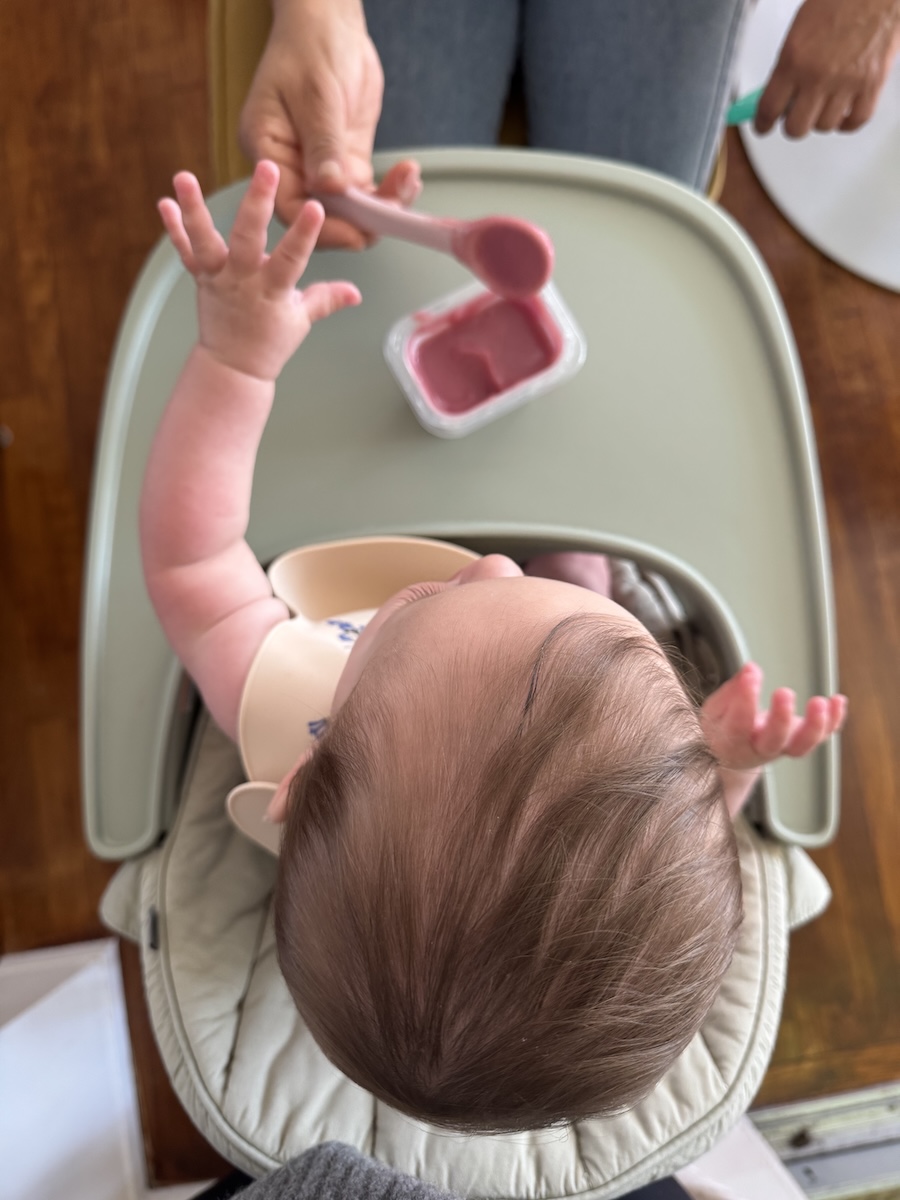
Starting solids with Little Spoon Babyblends
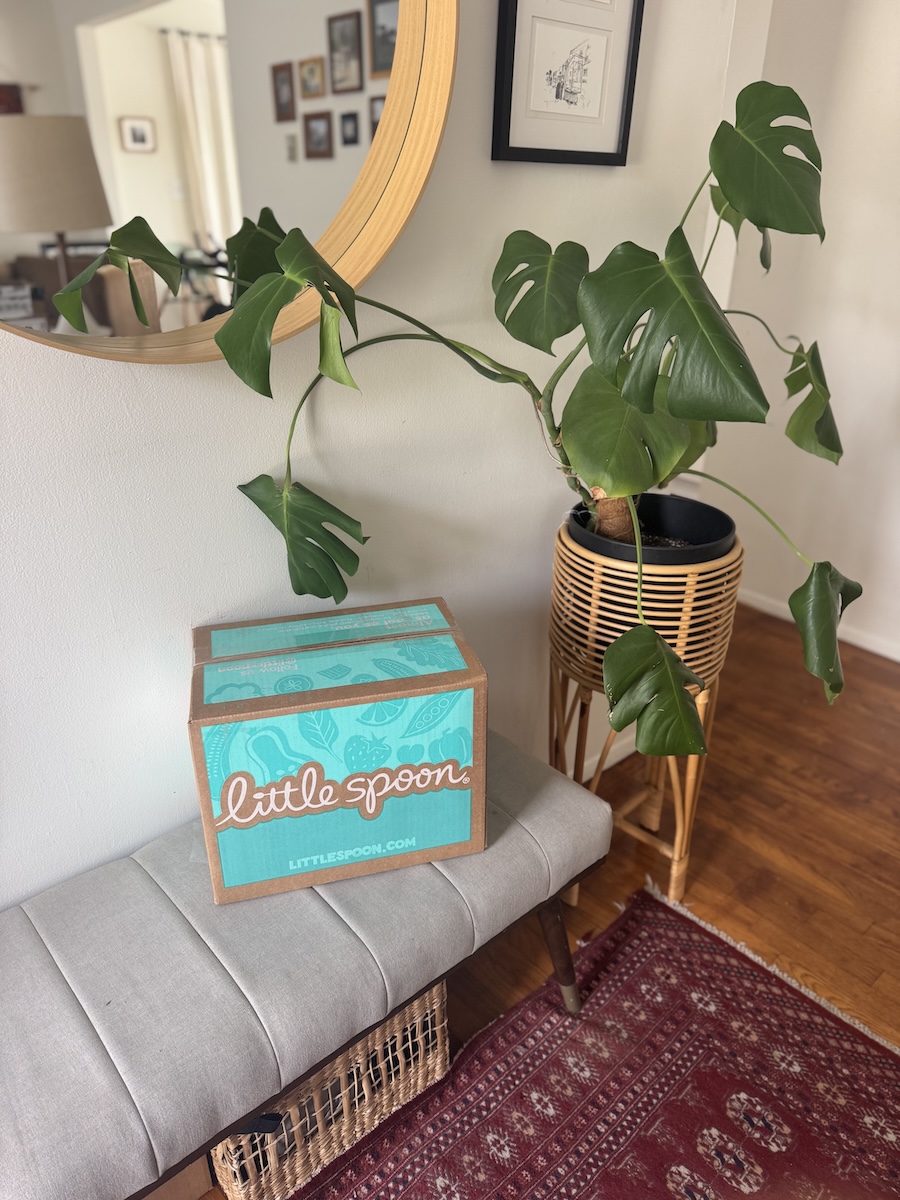
As a full-time working parent, getting a text message that a box of baby food has been delivered to my doorstep is quite possibly a dream (my 20-year-old self would be laughing hysterically at this), but it’s true. When I first received my Little Spoon subscription, I felt both excitement and ease. It took just a few minutes to unpack the box and place everything in the fridge before getting back to my desk for the day. Meal time would happen later.
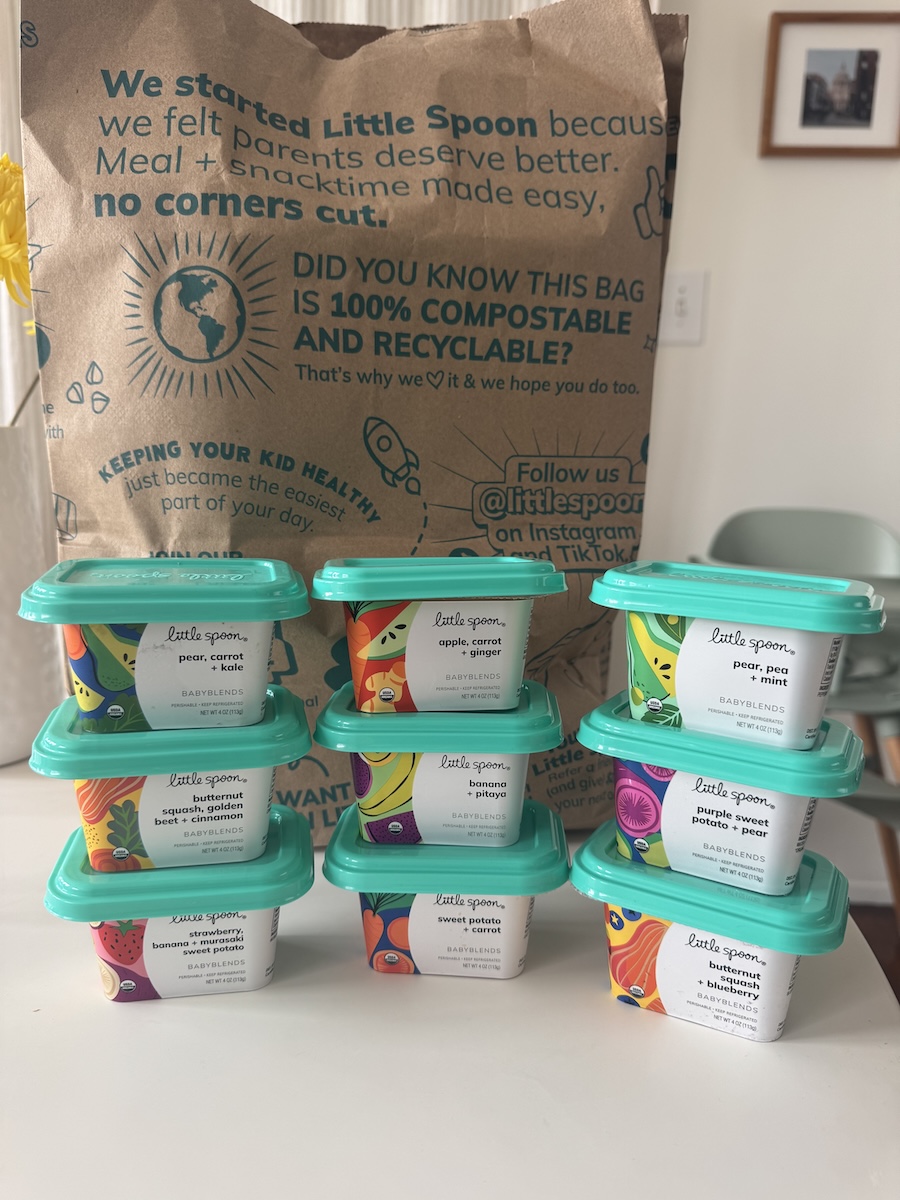
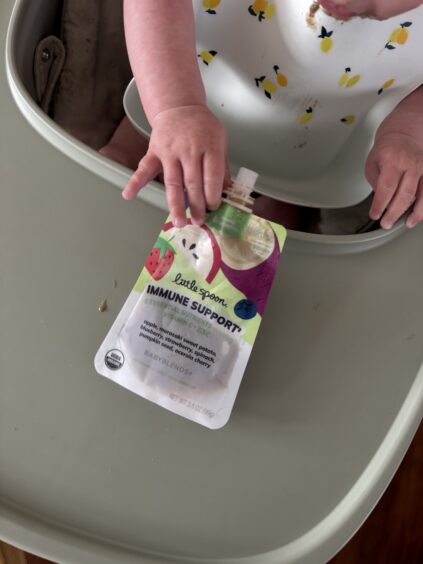
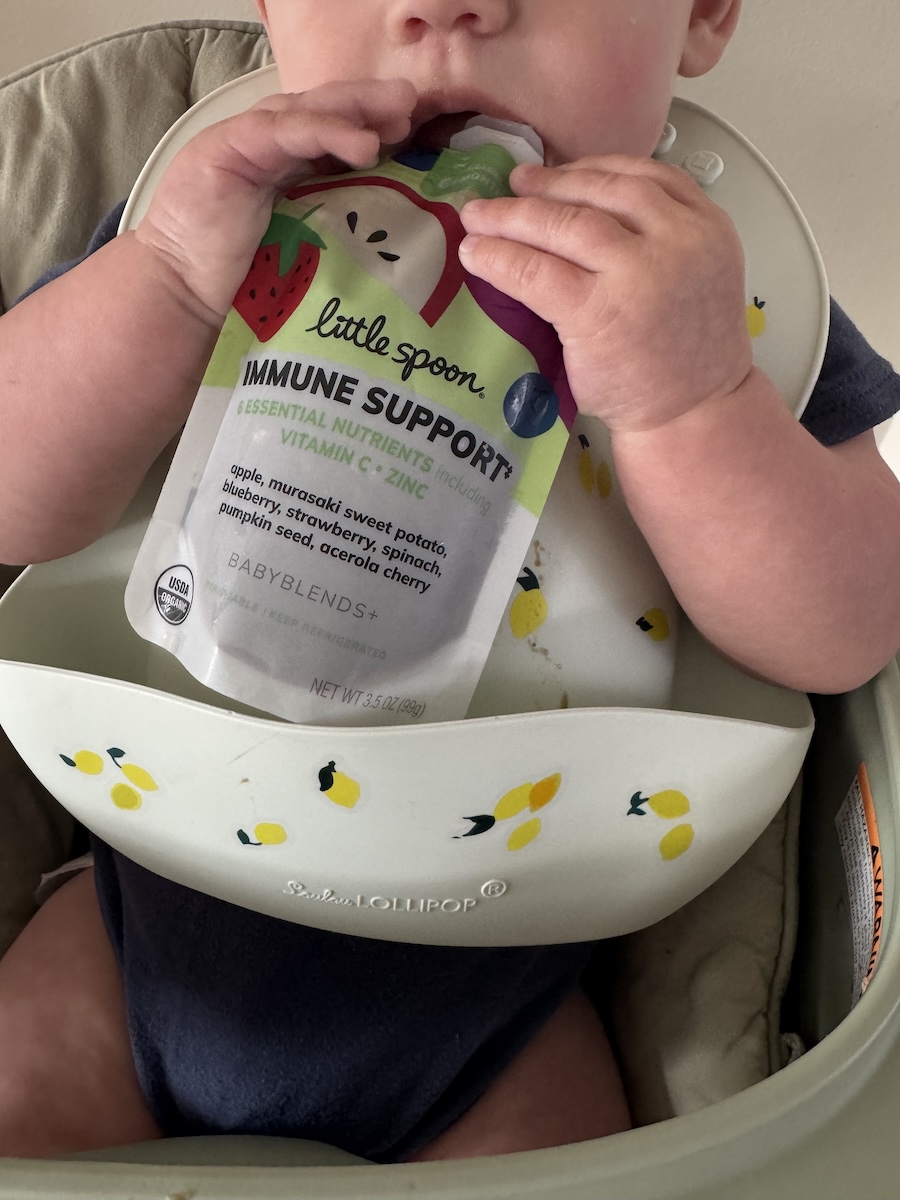
We tried an assortment of blends for different stages of eating. Little Spoons’ Babyblends are available in Stage 1 (6+ months, single ingredient) through Stage 5 (8+ months, five or more ingredients). This is great because, when introducing your baby to solids for the first time, you may want to start with single ingredients.
“Little Spoons’ Babyblends are available in Stage 1 (6+ months, single ingredient) through Stage 5 (8+ months, five or more ingredients).”
While the brand notes that “the old advice of introducing one ingredient at a time and waiting two to three days before trying another to monitor for allergies or digestive issues is now considered outdated for most babies,” I found it was still helpful for my own anxiety to watch my daughter’s reaction to single ingredients.
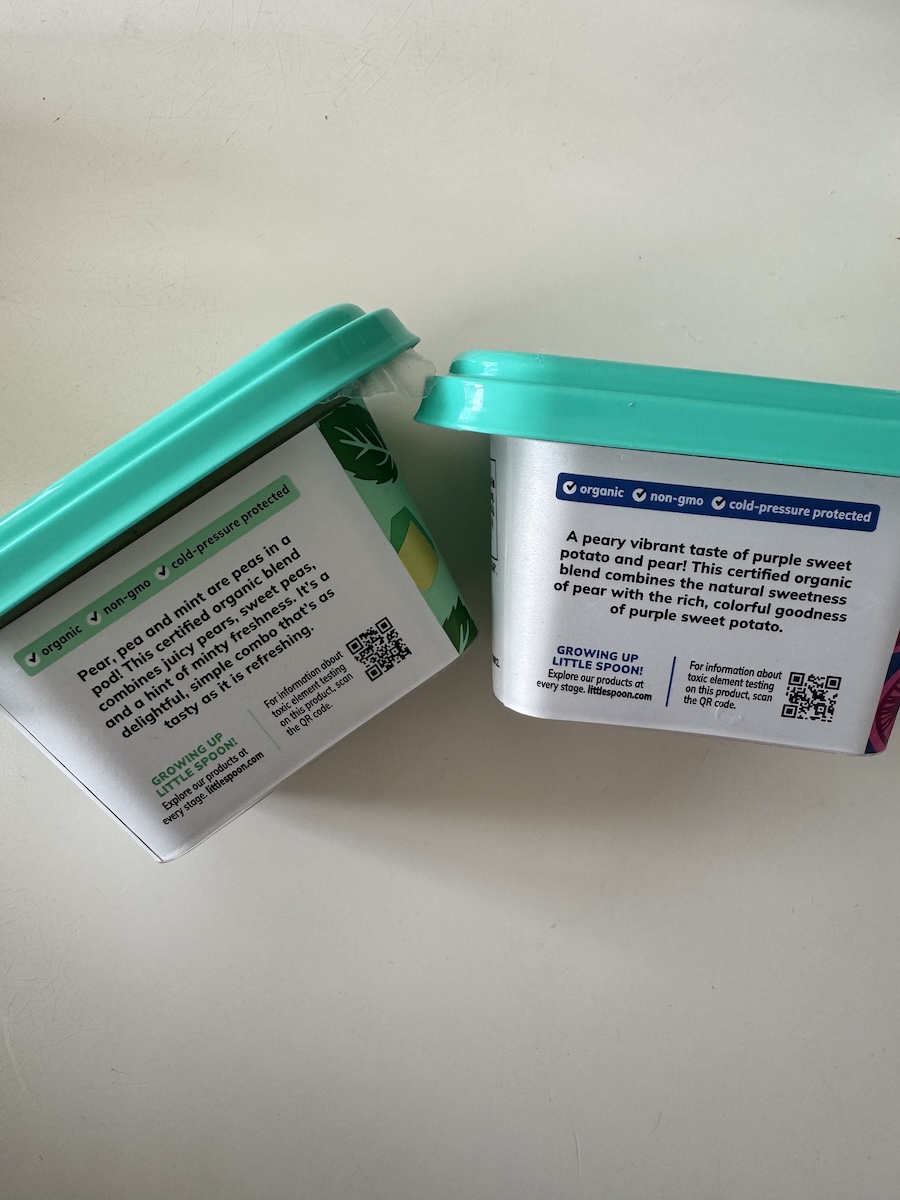
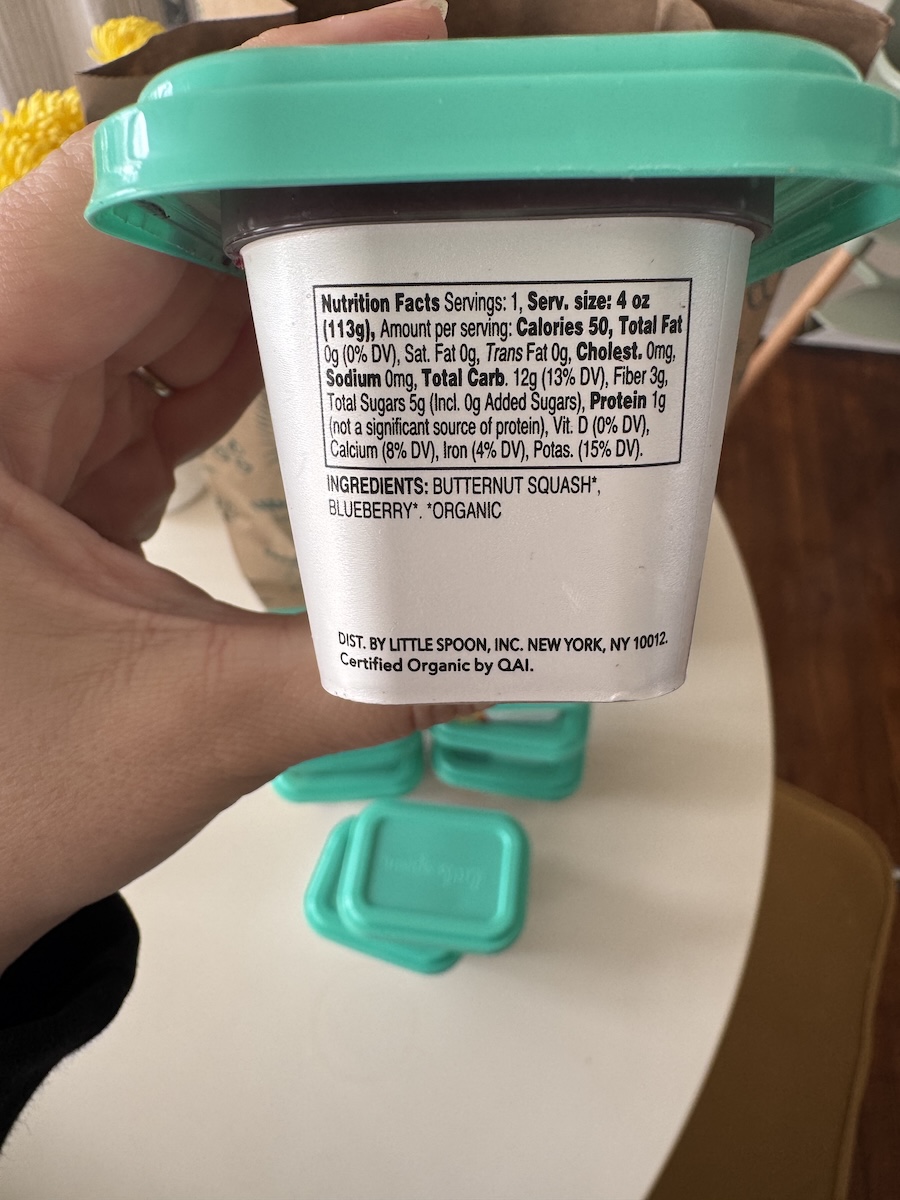
It was also fun to watch her try single flavors—she was a huge fan of pear! The single blends served as a base for mixing in other ingredients, such as spices or small bites of what we were eating for dinner. Don’t tell my daughter, but the blends are so good that I eat the leftovers myself.
Little Spoon formula
I mentioned that our daughter was strictly formula-fed starting around two months. We began with breastfeeding, then moved to combo feeding, and eventually settled on formula only when I returned to work. This was last fall, before Little Spoon launched its formula line, so we didn’t get a chance to try it at the time (and if you’re a parent, you know switching formulas is something to avoid whenever possible). I’m genuinely excited about this new launch and will absolutely use it if we have another child.
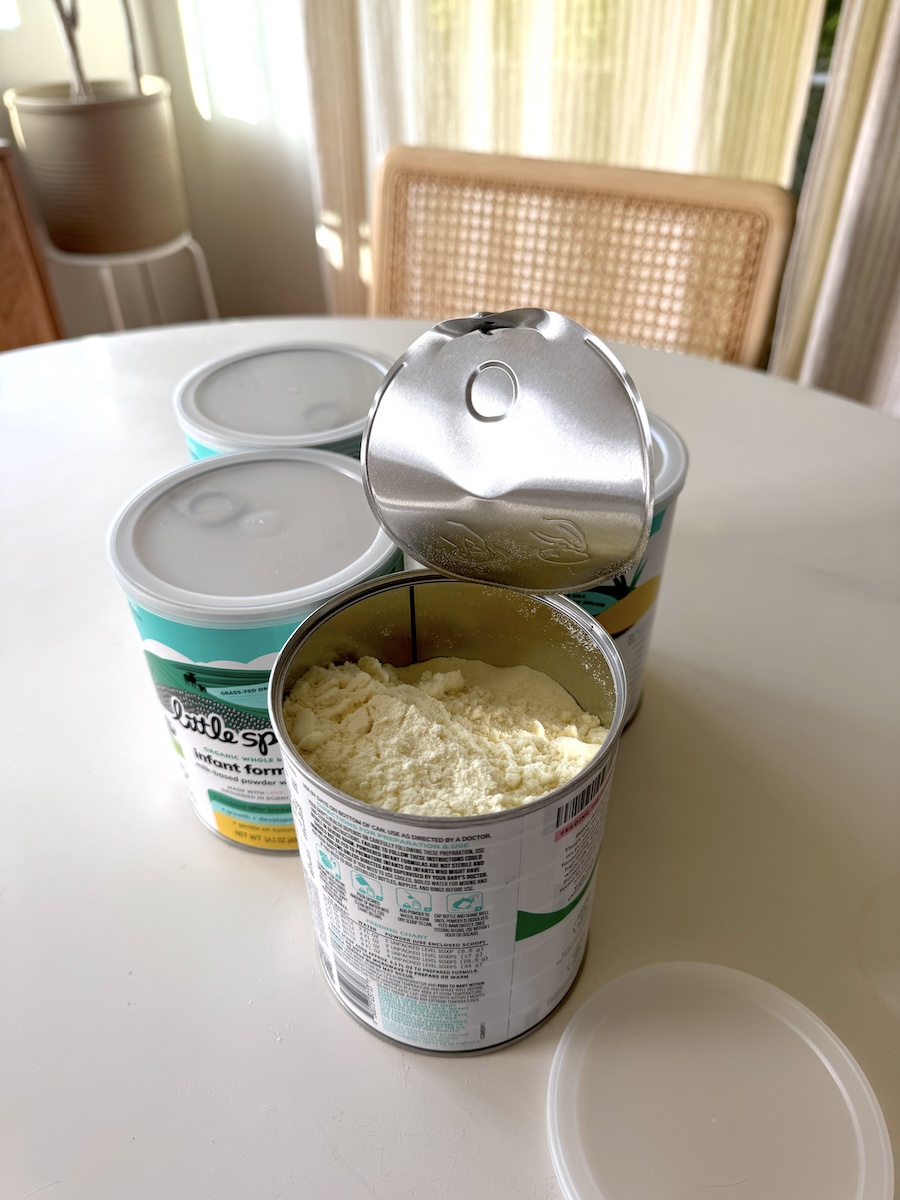
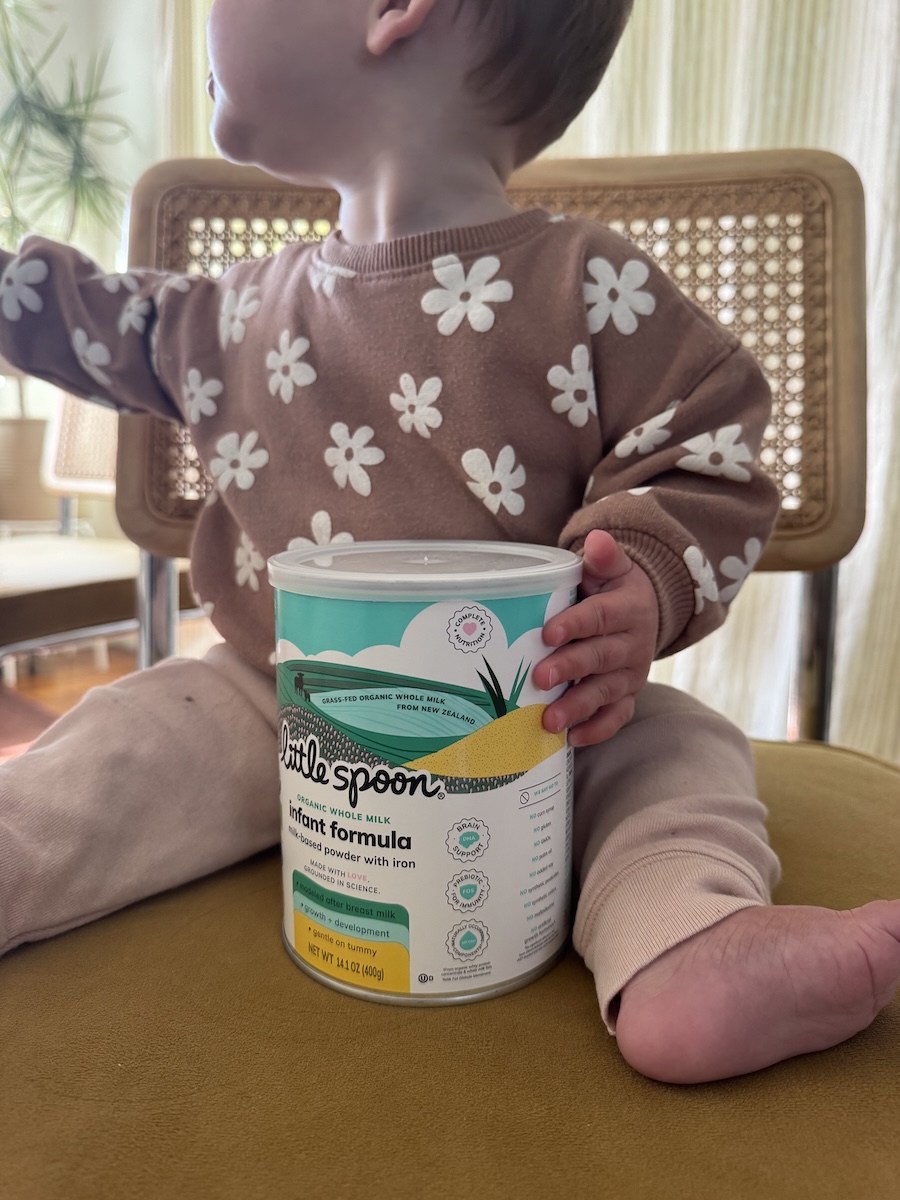
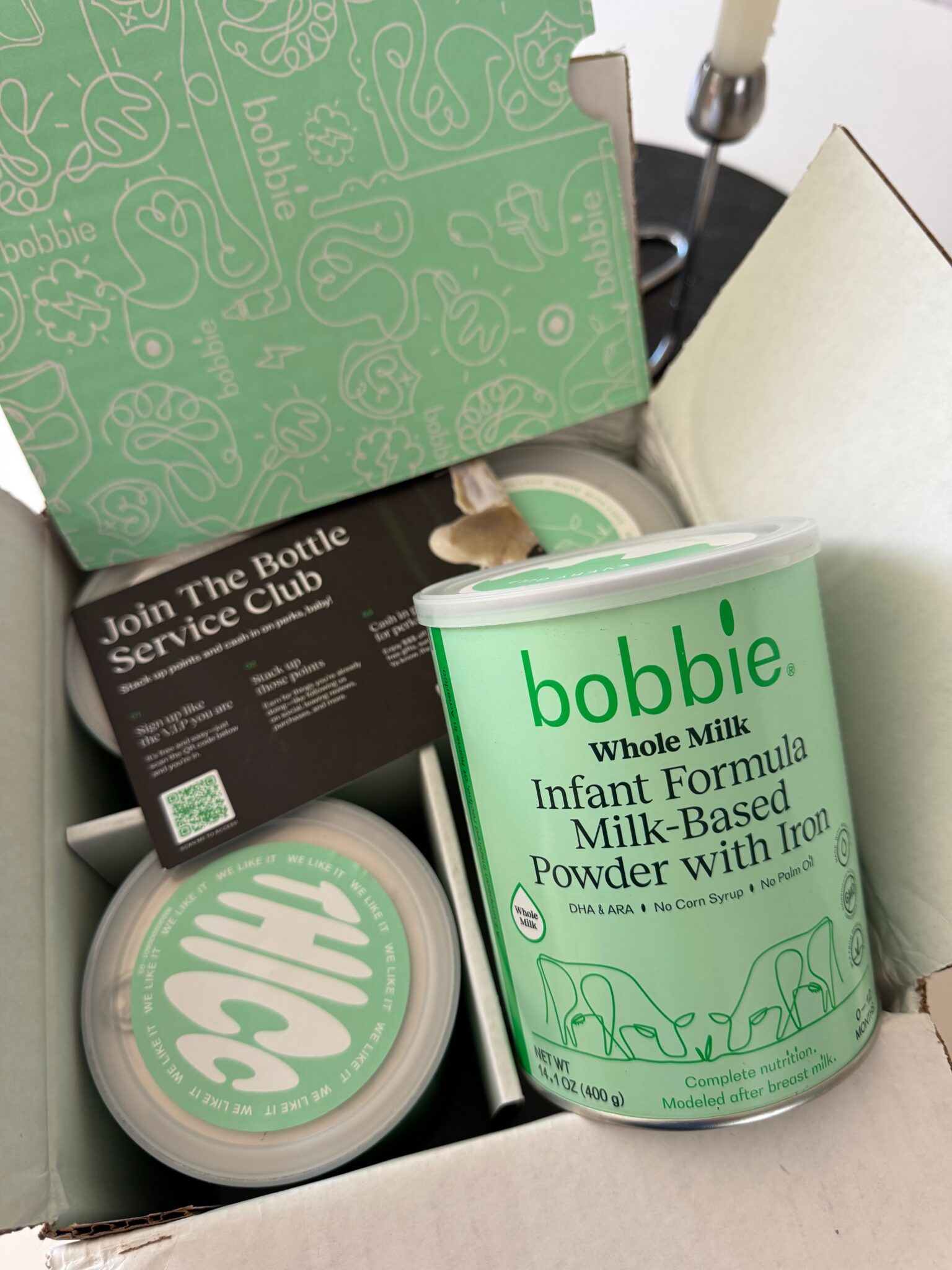
This formula is setting a new standard in a category that had a rough year. Little Spoon goes far beyond compliance with self-set safety limits, expanded testing, and publicly shared data. They’re the first U.S. formula brand to publish exact heavy metal testing results on their website. This means real numbers, not pass/fail checkboxes. And as a parent, I’m beyond grateful that I can see exactly what I’m giving to my baby.
“Little Spoon goes far beyond compliance with self-set safety limits, expanded testing, and publicly shared data.”
Every batch of formula also undergoes more than 2,000 documented quality and safety checks, backed by a manufacturing partner with 25+ years of experience in infant formula. In terms of microbiological testing, every batch is voluntarily tested for Sulfite-Reducing Clostridia (SRC), an indicator of spore-forming bacteria, at thresholds ten times stricter than the industry norm.
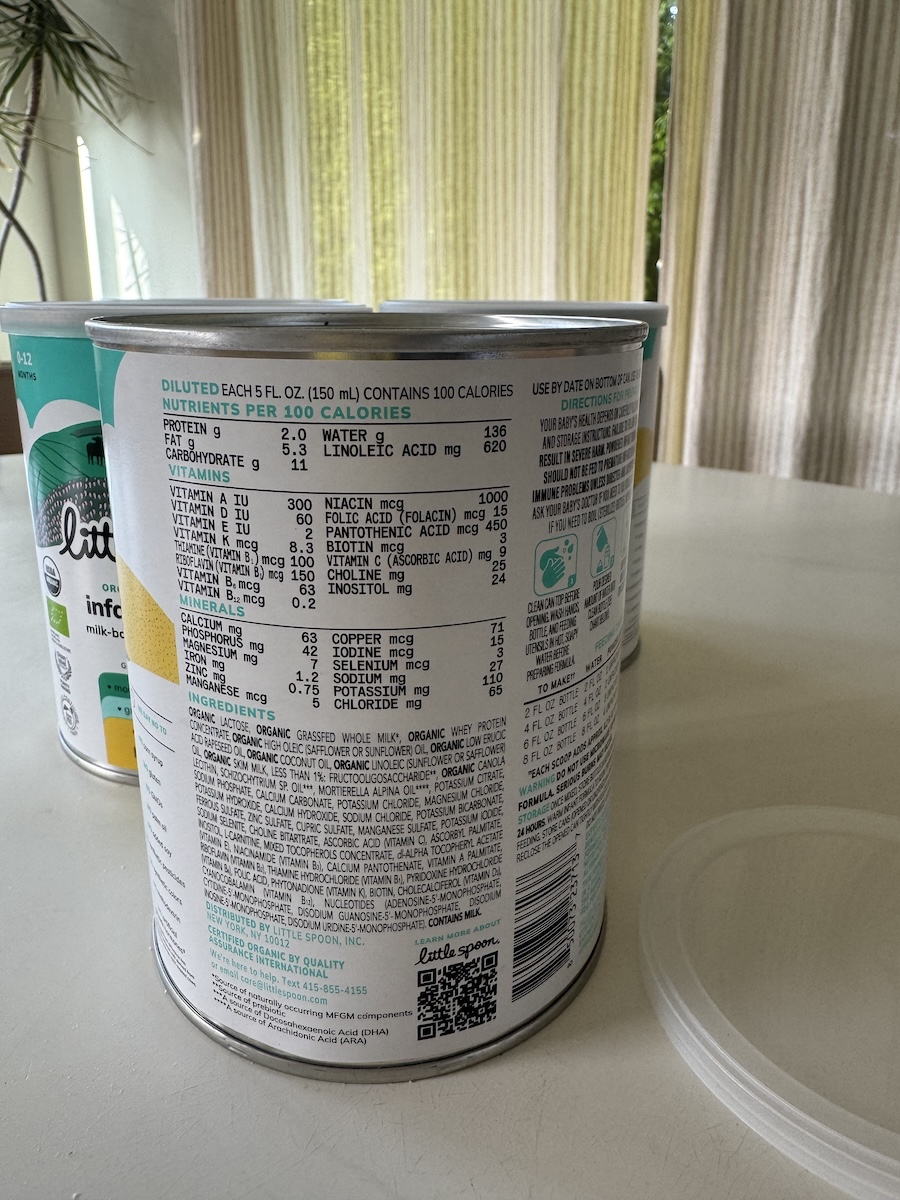
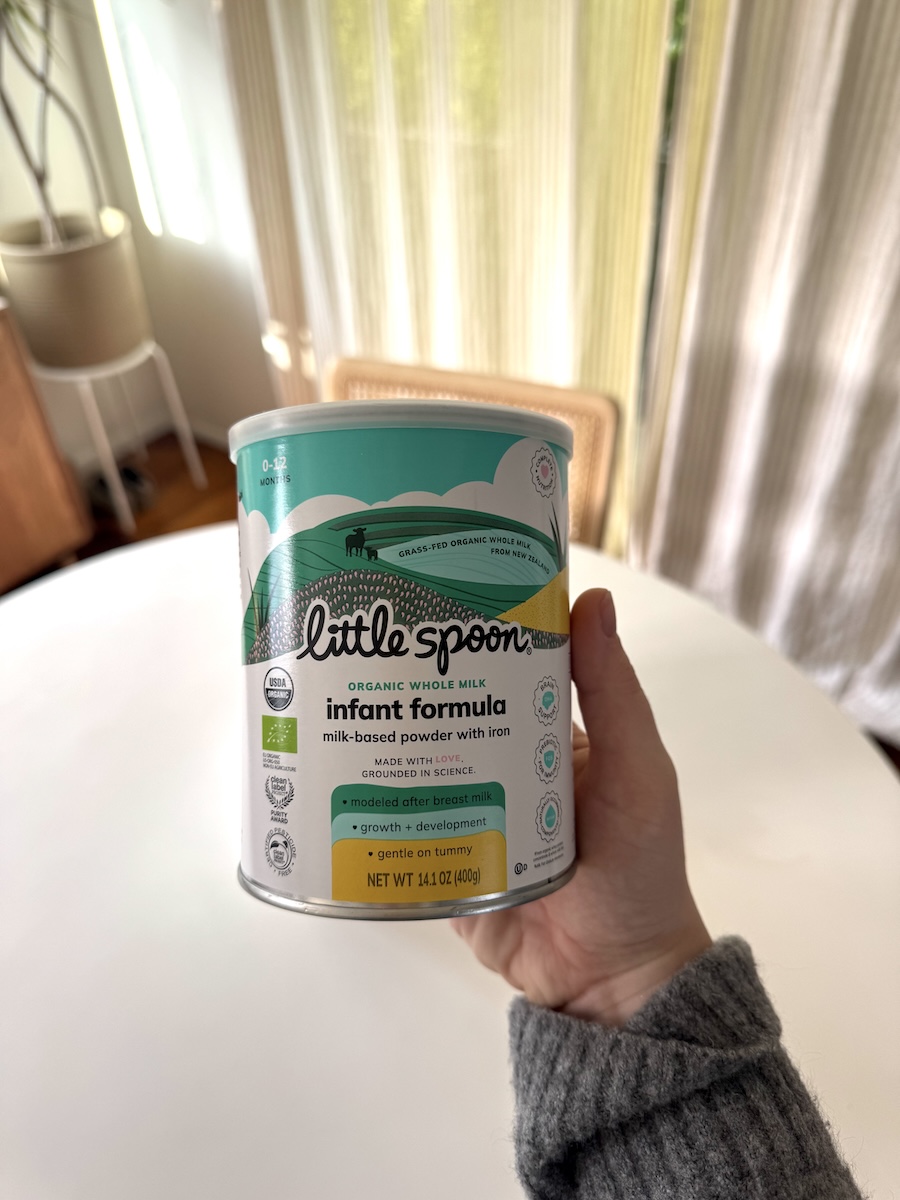
And of course, the formula is made with organic, grass-fed whole milk from New Zealand, which is naturally rich in beneficial fats, plus prebiotics for immune support and plant-based DHA aligned with EU standards for brain development.
Final thoughts: Will we keep using Little Spoon for feedings?
We will absolutely continue using the Little Spoon subscription for our daughter as she grows. They have become a staple meal in her diet, and we alternate the blends (we’re on stage 5 now) with finger foods when I’m making dinner. She loves to sit in her high chair and chew on broccoli heads and slices of cheese while I cook and chat with her about the day.
She’s nine months old, going on sixteen, and Little Spoon has become a household name and part of her vocabulary (“more more more!”). I no longer feel anxious about giving her a pouch to suck on or letting her learn to feed herself with a spoon. And I’m so excited to transition her to the lunchers in the coming months for easy and healthy meals; we already have puffs on hand for our first international flight this spring. Thanks to her start with the Babyblends, I think she will most definitely be ready for that first bite of paella.
THIS STORY IS IN PARTNERSHIP WITH OUR FRIENDS AT LITTLE SPOON
Kayti Christian is a Senior Content Strategist at The Good Trade. With an MFA in Nonfiction Creative Writing, her work has appeared in TODAY, Shondaland, and The New York Times. Since 2017, Kayti has been uncovering and reviewing the best sustainable home brands and wellness products. Her personal journey through four years of fertility treatments has inspired her to write extensively about women’s healthcare and reproductive access. Beyond her work at The Good Trade, Kayti is the creator of phone notes, a Substack newsletter with 7,000 subscribers, and the cohost of the FriedEggs Podcast, which delves into IVF and infertility.