
What Are Soft Skills? And Why They Matter More Than Ever
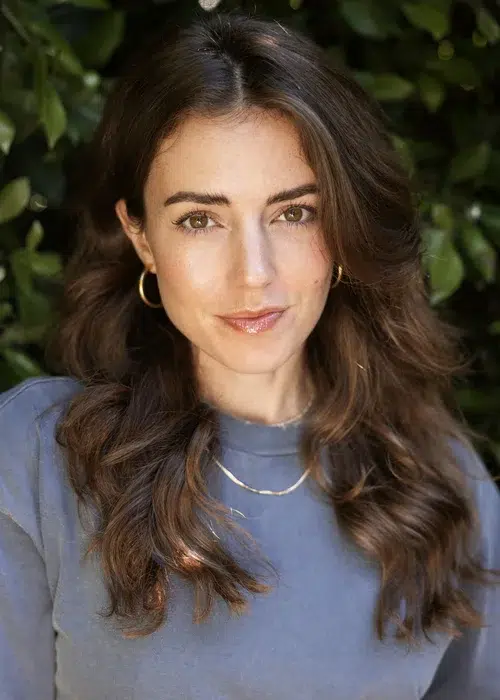
I started talking before I was 2. Instead of saying things like “mama” and “dada,” my mom overheard me on the monitor saying things to my dolls like, “Would you like some asparagus and iced tea?” Speaking with confidence and authority always came naturally to me, even if I didn’t know what I was talking about. In high school, I’d skip the reading, but still engage in the English class debates based on what the other students brought to the table. And when I got to the workforce, this trend continued.
“Speaking with confidence and authority always came naturally to me, even if I didn’t know what I was talking about.”
When I was 24, I applied for a “head of growth” job at a startup. On-camera Zoom wasn’t a thing at the time, so my interviews were all on the phone. My first job out of college was like a branding bootcamp: I learned everything about launching startups and did a ton of projects in the 2 years I was there. So when I got to my interviews, I knew how to answer all the questions they asked me, and add on with questions, context, and new ideas. They were impressed and invited me for an in-person interview.
When I got to the office, they were surprised by my age. The head of growth position was for someone more senior, someone maybe in their thirties who’d had at least 10 years of experience. Even though I sounded compelling on the phone (and to be honest, I was totally capable of the job), I was underqualified because of my experience. Regardless, they were impressed by me and designed a role that fit my talents that was more junior.
“When I got to the office, they were surprised by my age.”
You might be thinking: Wow, this girl is full of BS. Talking her way into a job she’s underqualified for? Taking up the air in English class, saying smart things, only to overshadow the quiet students who’d actually done the reading? And maybe, you’re a little bit right about younger me. But if you look a little bit closer, this is an example of a soft skill that came naturally to me: the ability to articulate ideas with confidence and read a room well enough to know what to say and when to say it.
And a soft skill could be the difference between someone who’s less qualified or experienced than you getting a job just because they know how to advocate for themselves.
Now, my tangible skills and experience have caught up with my ability to talk a good game. But that early advantage? That was all soft skills. And it’s exactly why these intangible abilities matter more than we think… and especially now, with the rise of AI. Your technical skills, like running reports or writing emails, aren’t as valuable anymore. So what actually sets you apart? The human stuff.
“These are the intangible, hard-to-quantify abilities that shape how we navigate relationships, solve problems, and lead change.”
AI hasn’t made us obsolete — it’s made soft skills more valuable than ever. These are the intangible, hard-to-quantify abilities that shape how we navigate relationships, solve problems, and lead change. And unlike technical skills that can be automated, these are the things that make us irreplaceable. And the good news is, even if they don’t come naturally to you, they can be developed.
To understand what soft skills actually are and how to get good at them, I spoke with expert Grace McCarrick. She’s a soft skills educator and keynote speaker whose viral content has impacted over 40 million careers. She teaches thousands of people how to build these capabilities through her social media platforms, corporate workshops, and her program, The Soft Skilled School. In just the last two years, she’s brought soft skills training to best-in-class teams at startups, non-profits, and Fortune 500 companies. She also happens to be a best friend of mine!
If you’ve ever felt like you’re good at your job but still not getting the recognition or results you deserve, this interview with Grace is for you.
Defining soft skills
Let’s start with the basics: What exactly is a “soft skill,” and how does it differ from a hard skill? Can you give us a concrete example of each?
GM: A soft skill is any skill that is non-technical. A hard skill is any skill that requires technical education. A few hard skills: plumbing, software engineering, drawing blood, and bookkeeping. A few soft skills: charisma, adaptability, resilience and ability to learn.”
The distinction seems simple, but it’s easy to underestimate soft skills because they’re not tied to a degree or even a specific task. And yet, these are often the skills that determine whether you get promoted, whether your team trusts you, and whether you can navigate challenges with resilience.
I make it a priority to get on a call with someone instead of just connecting via email. Why? Because a 15-minute conversation lets me read the room, build rapport, and solve problems in real time. Email is efficient, but a real-time connection with someone is where your soft skills show up.
The top 3 soft skills for right now
What are the top 3 soft skills that are most important for success right now, and why? For each one, can you break down what it actually looks like in practice?
GM: Here are the top 3 soft skills the organizations I’m working with are prioritizing in their hiring and their leadership training.
Discernment: The ability to perceive everything that is going on and choose to zero in on what is actually going to matter.
Here’s an example: A new senior manager is brought into a strategy meeting with her boss and the next two levels up. Her strong sense of discernment will dictate not only what issues she brings up, but when she chooses to speak and how she shapes her tone. For Succession fans, we’ve got a great example of Discernment in Geri and an equally great example of lack of Discernment in Cousin Greg.
Resilience: The discipline of recovery. It’s your ability to maintain clarity and energy while the ground is shifting beneath you.
Resilience is something that naturally builds in populations with a lot of daily hardship, which is not generally the population I’m working with in the Western workforce. In a workplace, it looks like your emotionally regulated, optimistic, workhorse of a colleague who is impossible to ruffle, who locks in when things get tricky.
Influence: Your ability to shape outcomes through credibility, trust, and connection.
Influence is hard to notice in other people, as when it’s done well, it seems like it all just organically happens. But from a first-person perspective, there’s a very tangible difference between having influence and not having influence, and not having it will often just feel like you always have the right answers, yet no one ever listens to you.
How to learn soft skills
A lot of people assume soft skills are just personality traits: things you either have or you don’t. Is that true, or can these actually be cultivated?
GM: My favorite metaphor for learning a soft skill is learning how to do a pull up. It is very much learnable but it’s important to remember that each person will have different natural abilities. And mastering each skill will take the mastery of a bunch of smaller skills. For example, in order to be resilient, you need to be adept at emotionally regulating yourself.
GA: This is important: Soft skills aren’t just personality traits you’re born with. They’re learnable. But just like physical fitness, some people will have natural advantages, and progress won’t always be linear.
Persuasive communication came naturally to me. But other skills, like tactfully setting boundaries when someone had crossed mine? That was harder. I used to get resentful, frustrated, and completely dysregulated. And instead of actually communicating, I’d just quit or gossip. Learning that soft skills are something you can practice, not just have, changed everything for me — and made me much better at navigating conflict with grace (pun intended.)
How do you personally teach soft skills?
GM: I teach them like they’re technical skills. I offer a definition, a framework (how to master the skill then how to make sure other people perceive you as having the skill), and examples of what good and bad look like. I also offer practical activities, generally shaped to the client’s specific work situations, so that everyone can practice the skill against their actual work.
Why soft skills are AI-proof
With AI rapidly changing how we work, what makes soft skills so essential for staying relevant?
GM: When a person in pain holds hands with their romantic partner, their breathing, heart rate, and brainwave patterns synchronize, actually lessening the pain of the suffering partner.
Even our best, most advanced, laundry-folding, dish-washing robot will not be able to have this effect on us. There is magic we can’t measure and barely understand in human-to-human interaction.
More practically, an AI agent will have a much easier time learning how to run Salesforce reports than learning how to diffuse an angry client with a tricky personality. Build the skills that are really hard to systematically learn.
GA: To me, this is hopeful. What if we could offload the mundane, time-consuming tasks and focus on our creativity? What if we could collaborate to build a better world, work smarter instead of harder, launch new ventures because we’re freed up to focus on our zone of genius and offload everything else? No hiring constraints. No budget constraints. Just you, doing what you’re actually best at. A true focus on our human gifts, and not just the tasks we can perform.
Where to start
For someone reading this who feels overwhelmed by AI and how fast things are changing, what’s one soft skill they should prioritize developing right now? Where should they start?
GM: Influence without authority. It’s the ability to shape outcomes based on trust, credibility, and connection…regardless of title. How do you leverage your own skills, your interests, and your relationships to make things happen? It’s a skill that would’ve been absolutely nonnegotiable for people who wanted to make money 50 years ago, and it’s roaring back into vogue.
The real-world impact
Can you walk us through a real example of how developing a soft skill changed someone’s career or work life? What did that transformation actually look like?
GM: I get DMs about people’s career changing after following my content all the time, so I have plenty of great examples. But, what I’ll say is that it’s not really about any one specific soft skill; it’s about the fact that developing a soft skill builds your sense of ownership and your sense of agency, which is the quickest, easiest way to change your life for the better.”
GA: This is the real point — soft skills give you agency. They make you feel less like a passenger in your own career and more like the person steering the ship. And that shifting how you show up, can shift your earning power, and your career trajectory.
Your action plan
What’s your advice for someone who wants to future-proof their career in the age of AI? Beyond just “develop soft skills,” what’s the practical next step they can take this week?
GM: Network, baby! Building a strong, flexible network of relationships that thread inside and outside your organization, inside and outside your industry and give you a wide perspective on the world. Strong relationships are the magic pill. If you need some help building relationships, watch my videos on introducing yourself and charisma. 😉
What’s your personal superpower soft skill?
GM: In this current season of life, I’m pretty damn good at capturing and holding attention, whether live or on social media. But honestly, there’s a teacher effect here. 90% of the time, I’m above average at all of these skills because I’m so aware of the nuances of them, and I’ve seen so many examples of excellence. But watch out for that 10% of the time: I’m as stubborn as an ox.
The bottom line
Soft skills aren’t a nice-to-have. They’re the thing that makes you irreplaceable. The skills that make you most yourself, most human, most capable of navigating the messy, emotional, deeply relational parts of work — the ones AI can’t touch.
“Soft skills aren’t a nice-to-have. They’re the thing that makes you irreplaceable.”
LinkedIn’s “Most In-Demand Skills Report” shared that 9 out of 10 global execs agree that “soft skills (aka ‘human’ or ‘durable’ skills) are more important than ever.”
So pick one. Pick discernment, or resilience, or influence. Start practicing it this week. Send one networking message. Speak up in one meeting with more intentional timing. Notice when you’re emotionally dysregulated and take a breath before responding. The practice is the point.
Instead of feeling like we have to compete with machines, let’s double down on our humanness.
Grace Abbott is a LA-based freelance Brand & Marketing Strategist and a Contributing Editor at The Good Trade. She has a degree in Graphic Design from Parsons School of Design and is the founder of How To Go Freelance — a brand dedicated to empowering creatives to monetize their skills and build personal brands. Beyond work, she’s always studying a new spiritual modality, painting her bedroom a new color, practicing Pilates, hosting friends, or going on a nature walk with her chihuahua, Donnie. Find her on Substack or Instagram.